Start here
The urinary microbiome, explained
Your bladder is not sterile. What scientists have discovered and what it means for you.
Leaking when you cough or laugh
Stress incontinence: why it happens and the first steps that help.
Waking up to pee at night
The many causes of nocturia and simple changes to try.
Overactive bladder after menopause
What changes in midlife and which treatments clinicians use.
Bladder leaks after pregnancy
Why they are common, how recovery works and when to call your clinician.
Pelvic floor (Kegel) exercises
A step-by-step guide to finding and training the right muscles.
Why we write about bladder health
Bladder problems are extremely common and very treatable, yet many women live with them for years without telling anyone. According to the US Office on Women’s Health, urinary incontinence affects about twice as many women as men, and more than four in ten women aged 65 and older experience it. Pregnancy, childbirth and menopause are major turning points.
Much of the information online is written to sell products. Our journal takes a different approach: we focus on what health agencies and clinical guidelines recommend, explain the science in plain English, and are clear about where the evidence is strong and where it is still emerging.
How to use these guides
- Start with the type of problem you have. Leaks with coughing point to stress incontinence; sudden urges point to an overactive bladder; many women have both.
- Try the first-line steps. Pelvic floor training, bladder training and simple habit changes help many women and have few downsides.
- Know the warning signs. Burning, fever, back pain or blood in the urine need medical attention.
- Talk to a professional. A doctor, nurse practitioner, urogynecologist or pelvic floor physical therapist can tailor a plan to you.
Our standards
Every article is researched and written by Hatty Mag, MSc, a biology scientist, and follows our editorial policy. We cite our sources at the end of each article and update content when guidance changes. Articles are for education and do not replace personal medical advice; see our medical disclaimer.
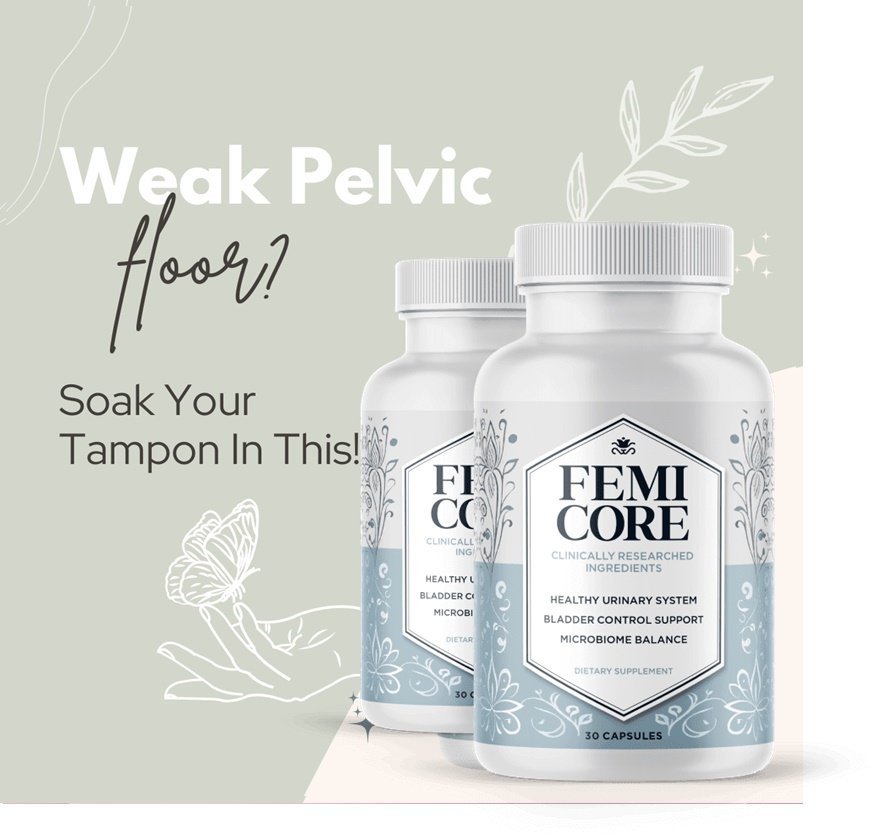
Where do supplements fit? Supplements such as FemiCore are marketed to support bladder comfort, but they are not a substitute for the steps in this guide or for medical care. If you are curious, read our evidence-based FemiCore review.
Sources
Last reviewed and updated: October 20, 2026.
*These statements have not been evaluated by the Food and Drug Administration. This product is not intended to diagnose, treat, cure, or prevent any disease.